
Welcome to our clinic in Bromley, London, where we specialise in advanced skin-rejuvenation therapies that go beyond mere appearance. One of the most exciting treatments we now offer is polynucleotides, a cutting-edge, regenerative therapy aimed at improving skin quality from the inside out. In this article I’ll explain what polynucleotides are, how they work, who they’re for, what to expect, how they differ from traditional dermal fillers, and why you might consider them at our clinic.
What Are Polynucleotides?
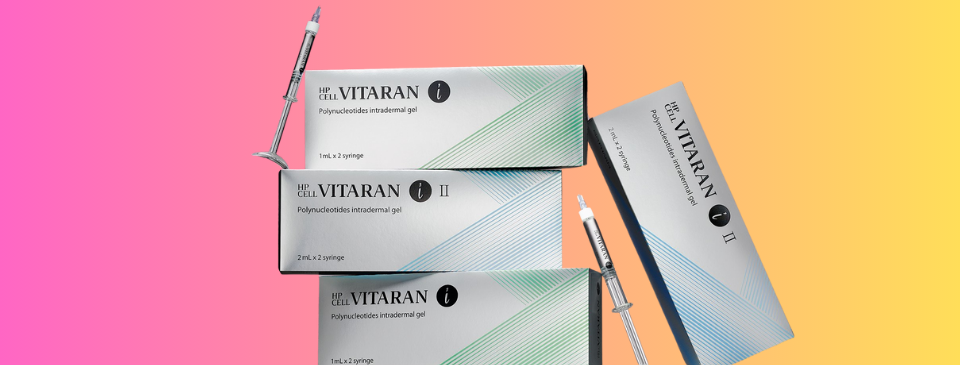
Polynucleotide injections are considered a type of skin enhancer, similar to treatments like Profhilo, but they rely on polymerized polynucleotides instead of hyaluronic acid (HA). Polynucleotides are derived naturally from fish germ cells, specifically salmon, containing highly refined DNA fragments from fish reproductive tissues. These substances are thought to encourage the production of collagen and elastin in the skin. They may also help with hydration and are often used to treat under-eye circles. These injections are administered very close to the skin’s surface, unlike traditional dermal fillers, which are injected more deeply to add volume to specific areas of the face.
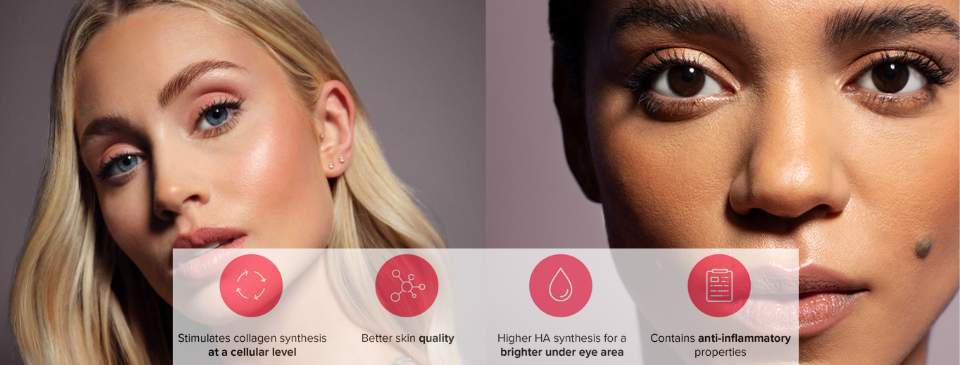
Traditional fillers, such as HA, are typically used to enhance facial volume and symmetry. Polynucleotide injections, on the other hand, do not aim to add volume. Instead, their purpose is to promote collagen growth and improve the overall texture and quality of the skin. Research suggests that salmon DNA is particularly effective for this purpose due to the longer polynucleotide chains it contains. The length of these chains can extend the period of tissue biostimulation, making the treatment’s effects last longer.
How Do Polynucleotides Work in the Skin?
Here’s the breakdown of the mechanism:
- Fibroblast activation: The injected polynucleotides act on fibroblasts, cells responsible for producing collagen and elastin, helping them work more actively.
- Improved extracellular matrix & hydration: They also optimise the skin’s support structure, increase moisture retention, and enhance skin texture.
- Anti-inflammatory and repair signalling: These treatments have been shown to reduce inflammation, assist tissue repair and strengthen micro-circulation.
In practical terms: rather than contouring the face via bulk, polynucleotides condition the skin so it looks healthier, firmer and more resilient. For many of our clients at the Bromley clinic this means smoother texture, improved tone, and a natural glow.
Benefits of Polynucleotide Injections
Based on the physiology and our clinical experience, the benefits of polynucleotides include:
- Visible improvement in skin texture and tone
- Fine lines softened and crepey skin minimised
- Enhanced hydration and radiance
- Better skin resilience and elasticity
- Subtle, natural-looking rejuvenation rather than overt volume
Importantly, polynucleotides are especially suited to areas where traditional fillers may not be ideal such as under-eye hollows, thin skin on the hands, neck, décolletage, or even for scar and stretch-mark management.
Polynucleotides vs Dermal Fillers: What’s the Difference?
When clients ask “Why choose polynucleotides instead of fillers?” here’s how I explain it:
- Dermal Fillers: Use primarily hyaluronic acid (HA) or other volumising gels to add structure and fullness. Immediate effect, good for age-related volume loss.
- Polynucleotides: Don’t add volume in the same way. They focus on skin quality; regeneration, hydration, elasticity. Results build over time.
In our Bromley clinic, an ideal approach often combines both: fillers for volume where needed, and polynucleotides for the skin’s underlying health. That layered strategy ensures you’re not “filling nothing” but improving foundation.
Who Is Suitable for Polynucleotide Treatment?
Polynucleotides can be an excellent option for clients who:
- Have signs of early ageing: fine lines, crepey texture, thinning skin
- Want natural-looking rejuvenation rather than dramatic fill
- Are dissatisfied with hydration or tone rather than volume
- Seek treatment in delicate areas (under eyes, hands, neck)
- Are prepared for realistic timelines (results build gradually)
However, like all medical aesthetic treatments, they’re not for everyone. During your consultation at our Bromley clinic, we’ll assess:
- Your skin condition and history
- Any allergies (fish-derived DNA is common)
- Contraindications (autoimmune disease, active infection)
- Your goals and expectations (how subtle or dramatic you want results to look)
Final Thoughts
Polynucleotides represent a paradigm shift in aesthetic medicine. They aren’t about adding volume; they’re about empowering your skin to function better, regenerate smarter, and look healthier in a refined way.
If you are curious whether polynucleotide treatment is the right choice for you, I invite you to book a consultation with me. We’ll evaluate your skin, review your goals and map out a plan that makes sense for your lifestyle, budget and aesthetic vision.

Catriona Eason, RN, RM, Bsc
Medical Director
Catriona trained at the Nightingale Institute, King’s College London, qualifying as a registered nurse in 2004 before advancing into midwifery in 2006. She became an Independent Nurse Prescriber in 2017, giving her the same prescribing authority as a doctor for licensed treatments such as Botulinum toxin.